Pool Hall Inventory Management Guide
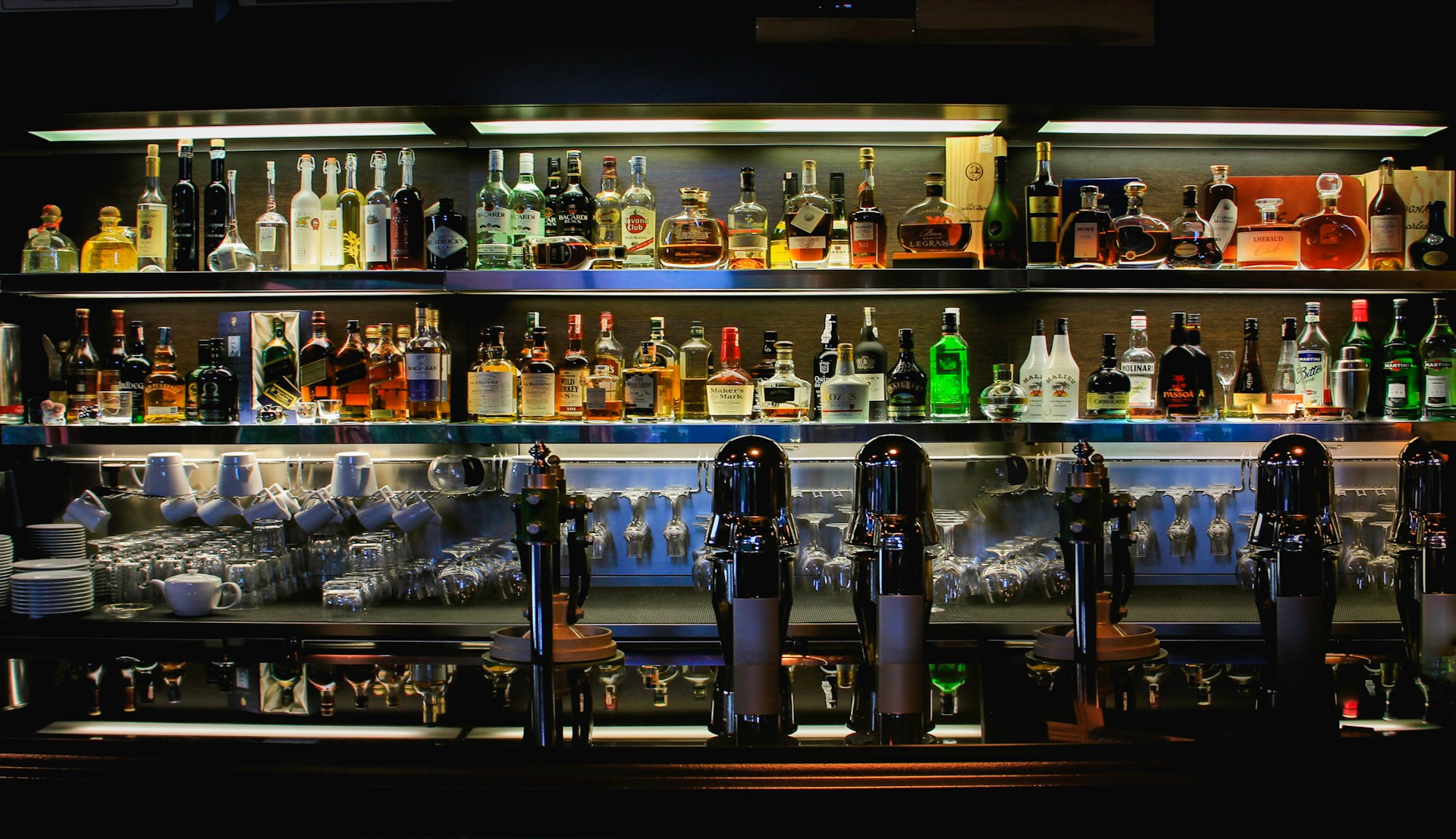
Most pool hall owners focus on table revenue and treat the snack bar as a side operation. That's a mistake. In a well-run hall, food, drinks, and accessories can contribute 30-40% of total revenue with margins that often exceed table time. But only if you actually manage the inventory.
What to track
Everything that leaves the counter should be tracked: beer, soft drinks, water, snacks, prepared food, cue rentals, chalk, replacement tips, and any accessories you sell. If it has a price tag and customers pay for it, it needs to be in your inventory system.
The most common mistake is tracking only high-value items and ignoring small consumables. A missing case of beer is noticeable. A steady drip of missing chalk, snacks, and sodas isn't — until you check the numbers at month end and realize you're short.
Automatic vs. manual deduction
Manual deduction: After each sale, someone updates a spreadsheet or count sheet. In practice, this gets done after the shift ends — maybe. On busy nights, it doesn't get done at all. By week-end, the spreadsheet is a fiction.
Automatic deduction: When a cashier rings up a San Miguel Beer at checkout, the system deducts one from inventory. No separate step. No manual update. The count is always current because it's tied to the transaction.
The choice is obvious. Automatic deduction is the only method that stays accurate under real operating conditions.
Low-stock alerts
Set a threshold for each product. When stock drops below that level, the system flags it. This simple mechanism prevents the most expensive inventory failure: running out of your best-selling items during peak hours.
Good thresholds account for your reorder lead time. If it takes 2 days to restock beer and you sell 3 cases a day on weekends, your threshold should trigger with at least 6 cases on hand — ideally more.
Shrinkage detection
Shrinkage is the gap between what you should have (based on purchases minus sales) and what you actually have (physical count). Some shrinkage is normal — breakage, spoilage, sampling. But unexplained shrinkage means products are leaving without being paid for.
Do a physical count weekly — or at minimum, monthly. Compare against the system's expected inventory. Investigate gaps. The earlier you catch shrinkage patterns, the easier they are to address.
Vendor management basics
Even without sophisticated procurement software, you should know:
- Your top 5 suppliers and their contact details
- Reorder quantities for each major product
- Lead times (how long from order to delivery)
- Minimum order amounts or free delivery thresholds
- Payment terms
A simple spreadsheet for supplier info is fine. The goal is that anyone on your team can reorder stock without calling you.
Product performance reporting
Data-driven stocking decisions beat gut feelings. Which products generate the most revenue? Which have the best margins? Which are slow-moving and tying up capital?
Review product sales weekly. Drop items that don't sell. Double down on items that do. If San Miguel outsells everything 3-to-1, make sure you never run out. If that imported craft beer has been sitting for two months, stop reordering it.
CuePoint tracks inventory automatically at checkout, with low-stock alerts and product sales reports built in.
See How CuePoint Handles This
- Inventory Management — Track stock levels with low-inventory alerts.
- Billiard Hall POS — Sell products alongside table sessions.
- All Features — See the complete CuePoint feature set.
Ready to streamline your billiard hall operations?
CuePoint helps you manage tables, track revenue, and grow your business — all from one dashboard.
Try CuePoint FreeRelated Posts

Billiard Hall Shift End Revenue Tracking: Table Time, Snack Bar, and Accessories Without Letting Things Fall Through the Cracks
Learn how to handle billiard hall shift end revenue tracking across table time and snack bar sales so nothing falls through the cracks when your cashier closes

How to Switch Your Billiard Hall from a Paper Logbook to a Digital POS System Without Disrupting Operations
Switching your billiard hall from a logbook to a digital POS system doesn't have to disrupt operations — here's how to plan a clean, confident cutover.

How to Set Up and Manage a Billiard Hall Waitlist System During Peak Hours
A practical guide to building a billiard hall waitlist management system that reduces floor chaos, improves wait time accuracy, and keeps peak-hour operations m